
Overview
Hand-foot-and-mouth disease is a common viral illness, most often caused by coxsackievirus. It mainly affects young children but can occur at any age. The virus spreads easily through close contact and respiratory droplets.
Typical signs include mouth sores and a rash on the hands and feet. The illness is usually mild and clears within 7–10 days. There is no specific antiviral treatment, but pain relievers and good hydration can ease symptoms. Frequent handwashing and avoiding close contact with sick individuals help reduce spread.
Symptoms
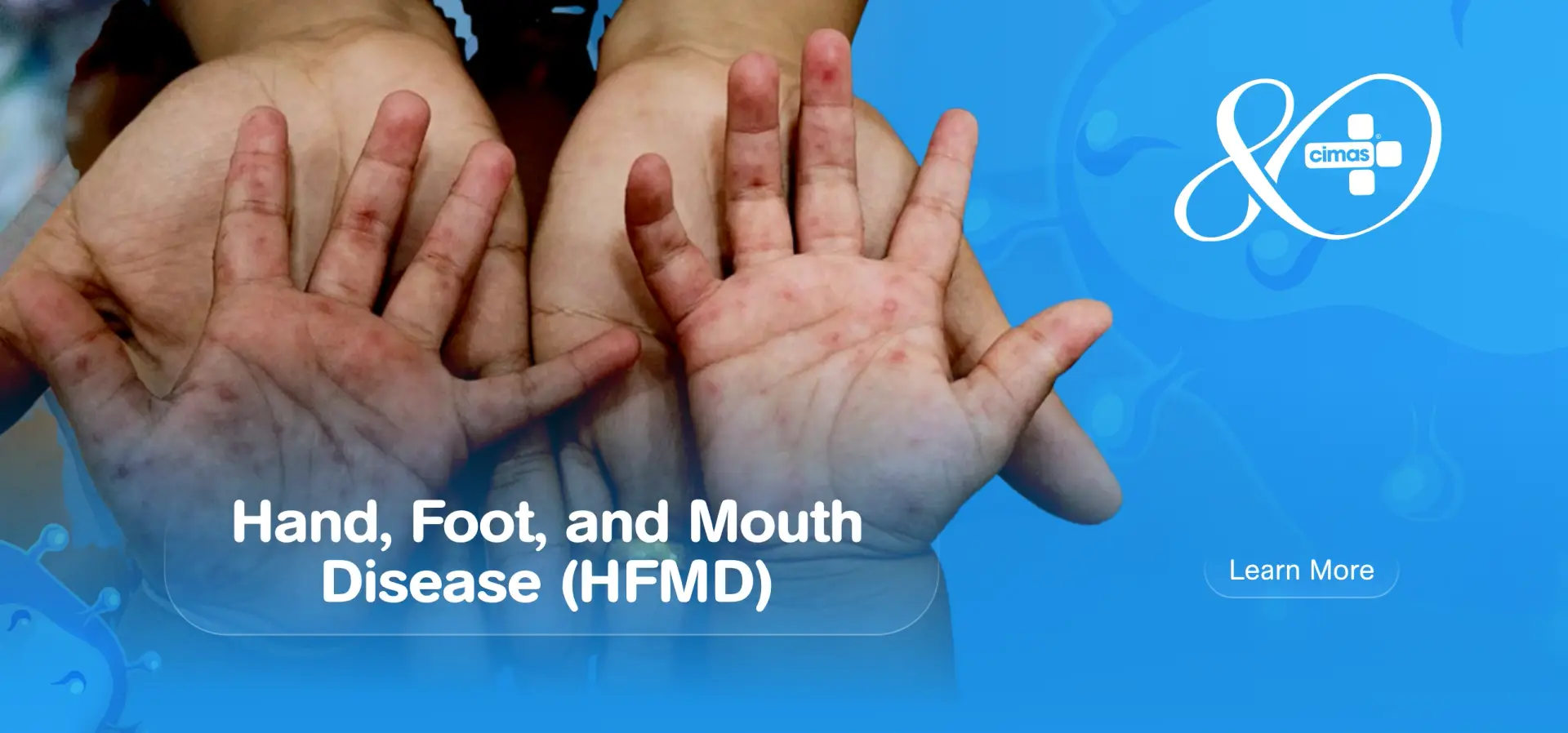
Symptoms usually start 3–6 days after exposure. Children may develop fever, sore throat, reduced appetite, and generally feel unwell. Painful mouth sores can appear on the tongue, gums, or inside the cheeks a day or two after fever begins. A non-itchy rash—sometimes with small blisters—may show up on the hands, feet, or buttocks. Appearance varies across skin tones.
If sores appear mainly at the back of the throat along with a sudden high fever, a related condition called herpangina may be responsible.
When to Seek Medical Care
Contact a healthcare professional if:
- Your child is under 6 months old.
- They have a weakened immune system.
- Fever lasts more than 3 days.
- Painful mouth sores limit fluid intake.
- Symptoms are severe or not improving within 10 days.
Causes and Transmission
Hand-foot-and-mouth disease is usually caused by coxsackievirus A16 and other enteroviruses. Infection spreads through saliva, nasal or throat secretions, stool, blister fluid, and droplets from coughing or sneezing. Child care settings are common sites of spread. Children are most contagious during the first week, but the virus can remain in the body for weeks.
This illness is unrelated to the similarly named foot-and-mouth disease that affects livestock.
Risk Factors
Children under age 5 are most susceptible, especially in group settings. While older children and adults often have some immunity from past exposure, they can still become infected.
Possible Complications
Dehydration is the most common concern, as mouth sores can make drinking uncomfortable. Rarely, enteroviruses can lead to more serious complications such as viral meningitis or encephalitis. Encourage frequent fluid intake to prevent dehydration.
Prevention
- Frequent handwashing for at least 20 seconds.
- Good hygiene practices, including discouraging children from putting hands or objects in their mouths.
- Regular cleaning and disinfecting of shared surfaces and toys.
- Avoiding close contact with anyone who is ill; children should stay home until fever has resolved and mouth sores have improved.