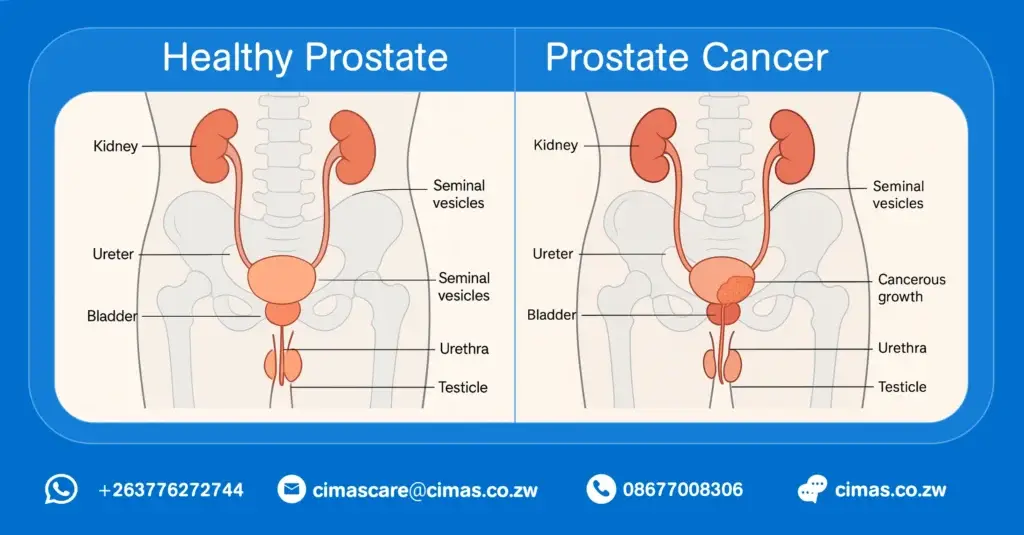

1. What is prostate cancer?
Answer:
Prostate cancer is a disease in which cells in the prostate gland (a small gland in men that produces seminal fluid) grow uncontrollably. It’s one of the most common cancers in men, especially those over age 50.
2. What are the common symptoms of prostate cancer?
Early prostate cancer often causes no symptoms. When symptoms do appear, they may include:
- Difficulty starting or stopping urination
- Weak urine flow
- Frequent urination, especially at night
- Blood in urine or semen
- Pain in the lower back, hips, or pelvis
However, these symptoms can also occur with non-cancerous prostate conditions, like benign prostatic hyperplasia (BPH).
3. Who is at risk for prostate cancer?
Answer:
Risk increases with:
- Age: Most cases occur after age 50
- Family history: Having a father or brother with prostate cancer
- Race: African American men have a higher risk
- Diet: High-fat diets and obesity may also raise risk
4. How is prostate cancer diagnosed?
Answer:
Diagnosis usually involves:
- PSA blood test: Measures prostate-specific antigen levels
- Digital rectal exam (DRE): Doctor checks for prostate abnormalities
- Biopsy: Confirms cancer by examining prostate tissue under a microscope
- Imaging tests (MRI, CT, or bone scan) may be used to determine if the cancer has spread.
5. What does the PSA test show?
Answer:
The PSA (prostate-specific antigen) test measures a protein made by the prostate. High levels may suggest cancer, but can also result from infection, inflammation, or an enlarged prostate. It’s a helpful tool but not a definitive test for cancer.
6. How is prostate cancer treated?
Treatment depends on the stage and aggressiveness of the cancer, as well as patient age and overall health. Common options include:
• Active surveillance (watchful waiting)
• Surgery (prostatectomy)
• Radiation therapy
• Hormone therapy
• Chemotherapy
• Targeted or immunotherapy (for advanced cases)
7. Can prostate cancer be prevented?
While it can’t be fully prevented, risk may be lowered by:
• Eating a healthy diet rich in fruits, vegetables, and whole grains
• Maintaining a healthy weight
• Exercising regularly
• Limiting red and processed meats
• Discussing screening options with a doctor, especially if at high risk
8. What is the survival rate for prostate cancer?
Prostate cancer is often slow-growing. When detected early, the 5-year survival rate is nearly 100%. If it spreads beyond the prostate, survival rates decrease, but many men still live for years with treatment.
9. Does prostate cancer always require treatment right away?
Not always. Some prostate cancers grow very slowly and may never cause problems. In such cases, doctors may recommend active surveillance—regular monitoring with PSA tests and exams—to avoid unnecessary side effects from treatment.
10. What side effects can occur from prostate cancer treatment?
Possible side effects include:
• Urinary incontinence (leakage)
• Erectile dysfunction
• Fatigue
• Bowel problems (after radiation)
• Hormonal changes (from hormone therapy)
These can often be managed with medication, therapy, or lifestyle adjustments.